Rotorua tree care guide
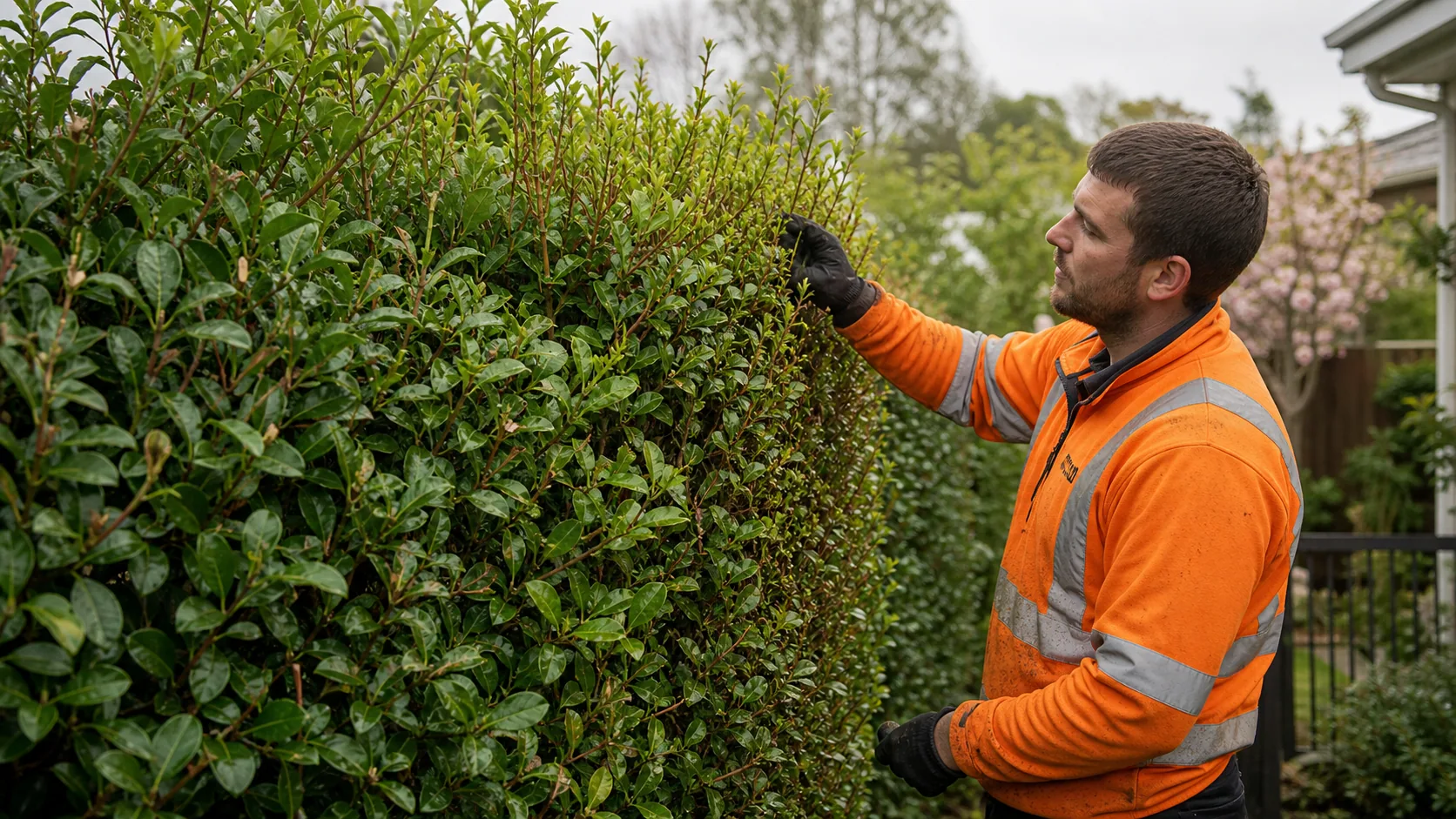
When Is the Best Time to Trim a Hedge in Rotorua?
Learn how growth, weather, nesting activity and hedge condition influence trimming time in Rotorua gardens.
Questions about hedge trimming usually start with a visible concern, but a useful answer depends on the tree, the site and the outcome you want. This guide explains timing hedge work around growth, condition and practical property use, the details worth recording, and how to prepare for a professional conversation without making unsafe assumptions from the ground.
Start With the Result, Not the Equipment
People often begin by asking which machine or cutting method will be used. A better starting point is the change the property needs. For this topic, that means timing hedge work around growth, condition and practical property use. The desired result could be safer access, manageable growth, a clearer boundary or better information for a future decision. Naming that result helps an arborist separate essential work from optional work. It also makes the quote easier to understand because each task has a purpose. On a Rotorua property, access, neighbouring structures, established gardens and changeable ground conditions can all influence the recommendation. Two trees or hedges that look similar from the road may require different work once the crew sees their condition and surroundings. A useful first enquiry includes the property location, several clear photographs, what has changed, and what you hope the area will be like afterwards.
Read the Whole Site Before Making a Decision
The visible concern is only one part of the job. An assessment also considers growth narrowing paths or driveways, uneven tops and sides, branches pressing against fences or buildings and a hedge that has become too tall to maintain safely, together with the room available for people, tools and material. The tree or vegetation may be close to a roof, fence, drive, garden bed, shared access or overhead line. Sloping or soft ground can change where machinery may be positioned. A retained tree may also need protection while nearby work is completed. Looking at these relationships prevents a narrow fix from creating a different problem. It is particularly important not to assume that height or appearance alone proves a tree is unsafe. Arborists look for patterns, changes and load, then relate those observations to the parts of the property that could be affected. When uncertainty remains, monitoring or a more focused assessment may be more appropriate than immediate major work.
Plan Access and Protection Early
Good preparation can reduce disruption and protect the things that are staying. Before the booking, explain where vehicles can enter, whether gates are locked, and if tenants, neighbours or customers use the work area. Point out irrigation, septic components, fragile paving, garden features and services that may not be obvious. Clear movable furniture, vehicles and fragile garden items from beside the hedge, then tell us about gates, irrigation or boundary concerns before work starts. The crew can then choose a work zone and material route that match the property. On compact residential sites, branches may need to be handled in small pieces. Larger or open sites may allow machinery, but ground bearing and clearances still matter. Access should never be guessed from an aerial image alone. If the property has a shared driveway or managed common area, agree how notifications and temporary restrictions will be handled before people and equipment arrive.
Understand What Professional Work Involves
A typical plan may include steps to confirm the intended height and shape, check access, nesting activity and nearby structures, reduce growth in controlled stages, collect and process the cut material and leave paths and garden edges tidy. The order matters because it controls where material moves and keeps the work area predictable. Correct personal protective equipment is only one part of the safety system; training, communication, suitable tools and an exclusion zone are equally important. This is why the article is not a do-it-yourself cutting guide. Tree material can twist, split, roll or fall differently from what an observer expects, and work near electricity requires the correct network or qualified specialists. Professional crews revise the method if wind, access or the tree itself does not match the initial assumptions. Once the main work is finished, the team checks the agreed scope and deals with branches, chip or logs as arranged rather than leaving the customer to interpret what “clean-up” meant.
Compare Quotes by Scope and Site Finish
Price is affected by hedge length and height, species and branch thickness, access on each side and the volume of green waste. A shorter description can therefore hide meaningful differences between quotes. Check whether each proposal identifies the same trees or vegetation, the same extent of work, who manages traffic or site access, and what happens to the resulting material. Ask whether stump work, replacement planting or a later inspection is included or separate. The lowest number is difficult to judge if one scope leaves logs, chip or follow-up work that another includes. Likewise, more cutting is not automatically better value when a restrained option meets the objective. A clear quote should let you see what will be completed and what will remain. For managed properties, retain that scope with photographs or site records so future contractors understand the earlier decision rather than starting again without context.
Turn the Advice Into a Practical Next Step
After the assessment, decide what is urgent, what can be scheduled, and what should be monitored. The practical benefits may include clearer paths and sightlines, a balanced boundary, healthier repeat growth and simpler ongoing maintenance, but they depend on completing the right scope at the right time. Read about our hedge trimming service for the service process and customer FAQs. Related work such as tree trimming and section clearing may also be relevant when the same access or clean-up area is involved. For a property-specific answer, contact Rotorua Tree Services with photographs and a short explanation of the result you need. If the situation is unstable, storm-damaged or near powerlines, keep people away from it while you arrange appropriate advice.
Questions Homeowners Often Ask
Can photographs confirm what hedge trimming work is needed?
Photographs are useful for an initial conversation, but they may not show access, ground conditions or the full structure of a tree. A site assessment is the reliable way to confirm scope and equipment.
Should I wait until the concern becomes urgent?
Early advice usually leaves more options available. If material is hanging, moving unexpectedly or close to electricity, keep clear and call the appropriate professional rather than inspecting it yourself.
Can the site finish be agreed before work begins?
Yes. Discuss whether chip, logs or other material should stay or be removed, and identify any areas that need protection. The written scope should reflect that agreed finish.